He was diagnosed with psoriatic arthritis in 2008, which disabled him so much that he lost his business.
After 5 years of intense pain and increasing dependency on drugs, he decided to quit all drugs cold turkey, and find alternative ways to deal with his disease.
He began practising yoga daily, changed his diet, and started practising freediving.
This caused drastic changes: within months he could walk without a cane, and he could play with his two young daughters again.
It also taught him how good he actually was at freediving; within a year he started setting Danish records.
He started traveling the world going to freediving competitions, where the warm weather and sun also improved his condition.
He used his increased exposure from the Danish records to tell the story of his recovery and inspire people to live a healthy lifestyle.
He started teaching others how to deal with auto-immune disorders.
The downside of his new fame was that the insurance company, who paid his monthly disability check, noticed that he was doing things a healthy person does.
Despite the argument that he's only healthy because he can do these travels and trainings, the insurance company threatened to sue him for lying -he'd have to pay back all the disability checks plus a fee.
With the help from his doctors Stig managed to convince them his disease is real, just that he manages it well, but the insurance company decided to stop paying him his disability.
The stress this whole procedure caused was enormous and Stig relapsed into severe pain.
We shot this video in January, the hardest month for Stig, where he had to figure out how to proceed. We talked about how life can keep dealing you blow after blow, and how you know that you'll be ok anyway.
But it still sucks that you have to deal with the blows, and have to go through that uncertainty of what comes next.
Stig has decided to focus on his new breathing program, in which he teaches people how to breathe properly to deal with stress and disease, together with yoga and diet.
He might not be able to compete much this year, but he's getting back up and doing his best to be of use to others.
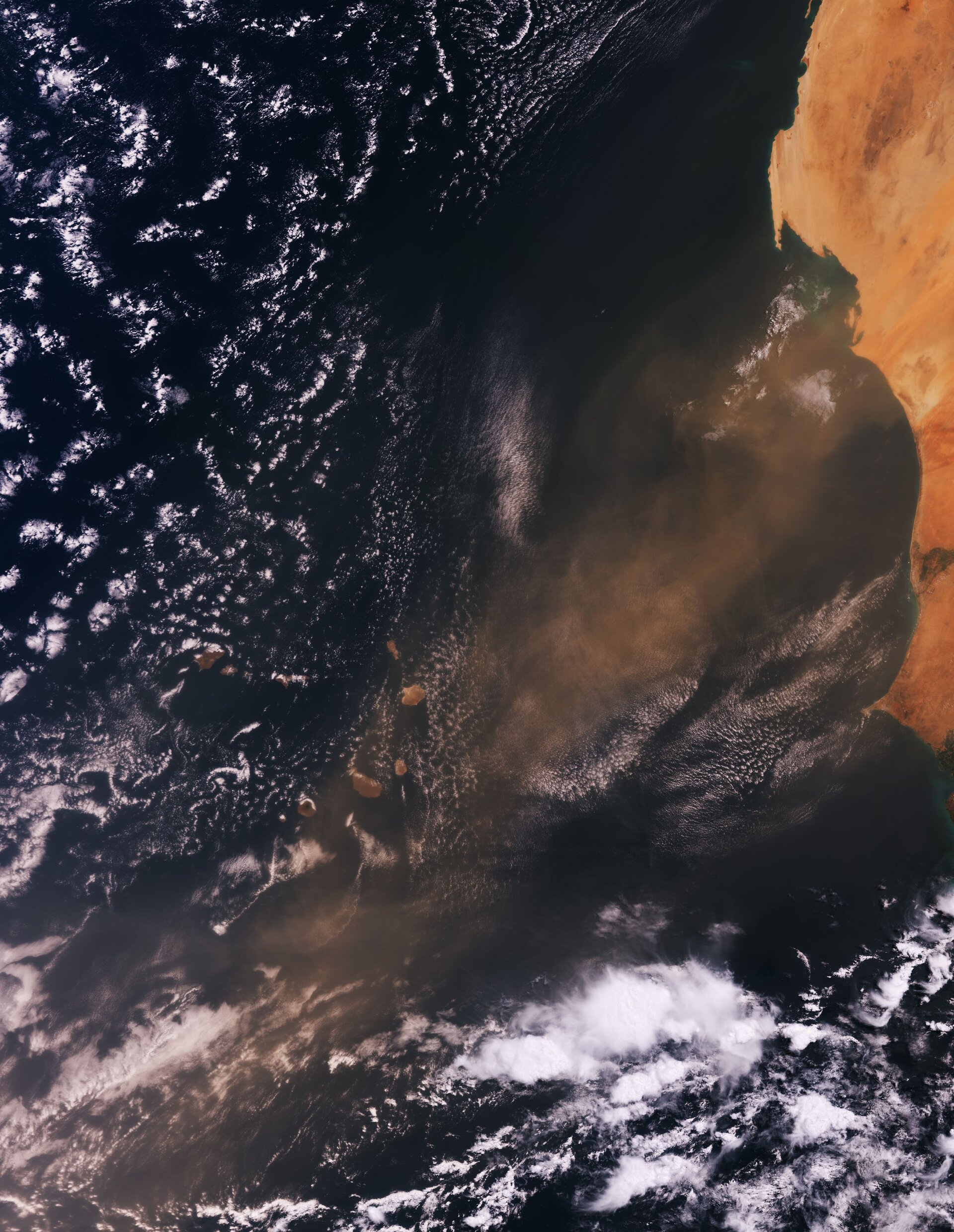
Every summer, the wind carries large amounts of desert dust particles from the hot and dry Sahara Desert in northern Africa across the Atlantic Ocean.
Data from the Copernicus Sentinel satellites and ESA’s Aeolus satellite show the extent of this year’s summer dust plume, dubbed ‘Godzilla,’ on its journey across the Atlantic.
This Saharan dust storm is also known as the Saharan Air Layer, which typically forms between late spring and early autumn, peaking in late June to mid-August.
Large amounts of dust particles from the African desert are swept up into the dry air by strong winds near the ground, as well as thunder storms.
The dust can then float for days, or weeks, depending on how dry, fast and turbulent the air masses become.
Winds in the higher troposphere then sweep the dust across the Atlantic Ocean towards the Caribbean and the United States.
Although this meteorological phenomenon occurs every year, the June 2020 plume is said to be unusual owing to its size and the distance travelled.
According to NOAA’s Atlantic Oceanographic and Meteorological Laboratory, the dust plume was around 60—70% dustier than an average outbreak – making it the dustiest event since records began around 20 years ago.
The Copernicus Sentinel-5P mission is dedicated to monitoring air pollution by measuring a multitude of trace gases as well as aerosols.
This animation shows the spread of aerosols from the Saharan dust plume moving westward across the Atlantic Ocean from 1 June to 26 June 2020.
This plume has reached the Caribbean, South America and the United States.
The animation above shows the spread of aerosols from the Saharan dust plumes moving westward across the Atlantic Ocean from 1 June to 26 June 2020.
Normally, Saharan dust plumes disperse in the atmosphere and sink into the Atlantic before reaching the Americas.
However this year, the dense concentration of dust travelled approximately 8000 km and can be seen arriving near the Caribbean and the southern United States.
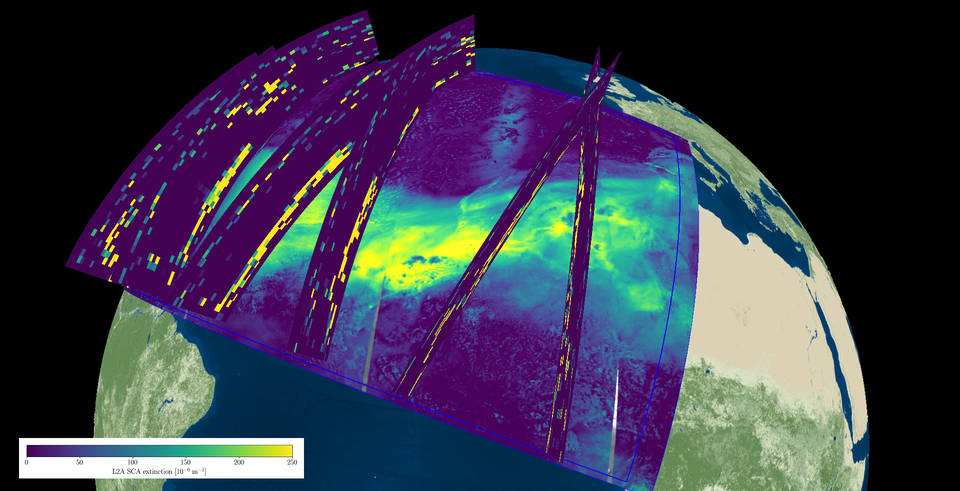
The composite image below shows combined observations from the Aeolus satellite and the Copernicus Sentinel-5P satellite on 19 June 2020.
The underlying Sentinel-5P aerosol index in florescent yellow and green, which indicates the extent of the elevated Saharan dust plume over the Atlantic, has been overlaid with Aeolus’ aerosol and cloud information.
Aeolus data provides valuable information regarding the altitude and vertical extent of the aerosol layer, compared to downward-looking imagers, as it can determine the height at which the dust layer is travelling.
Aeolus data in this image indicates that most of the dust was 3—6 km above the ground.
These data are extremely important for air-quality models used by, for example, the Copernicus Atmosphere Monitoring Service, to predict how far the dust layer will travel and how it develops and therefore the effects it will have locally.
Different satellites carry individual instruments that provide us with a wealth of complementary information.
While the Copernicus Sentinel-5P satellite maps a multitude of air pollutants around the globe, Aeolus is the first satellite mission to acquire profiles of Earth’s wind on a global scale.
As shown here, Aeolus also delivers information about the vertical distribution of aerosol and cloud layers.
This combination of satellite data allow scientists to improve their understanding of the Saharan Air Layer, and allows forecasters to provide better air quality predictions.
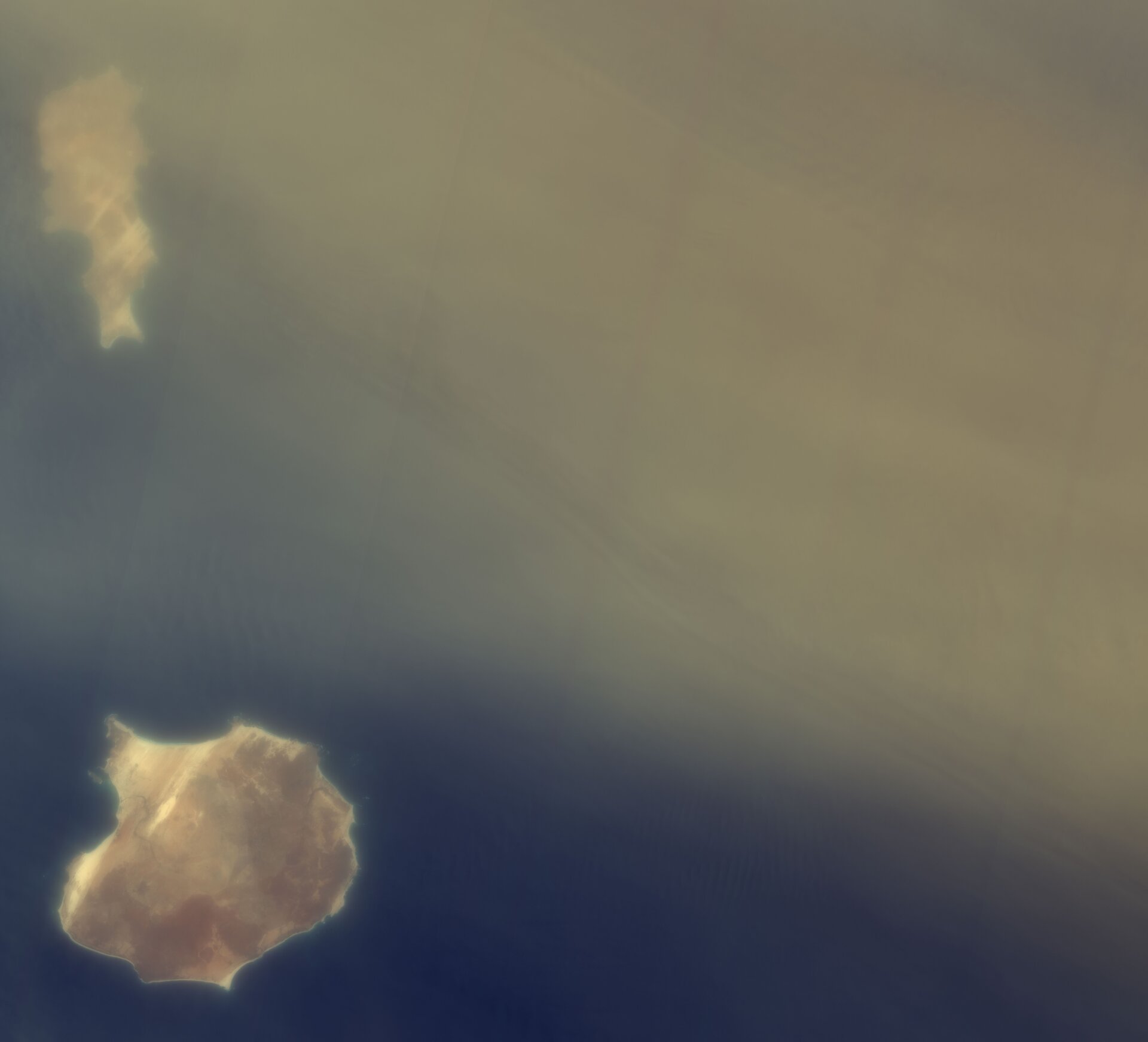
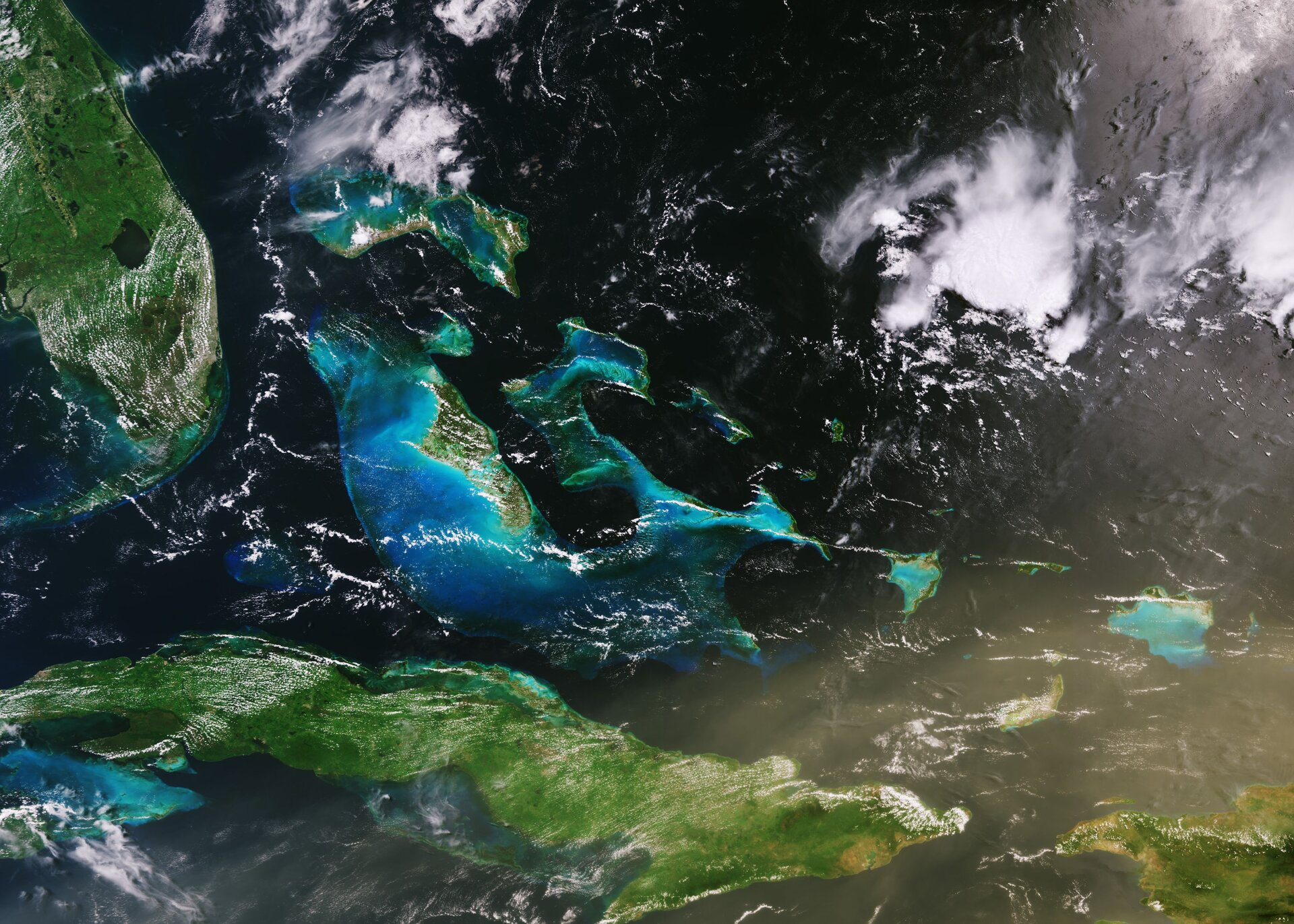
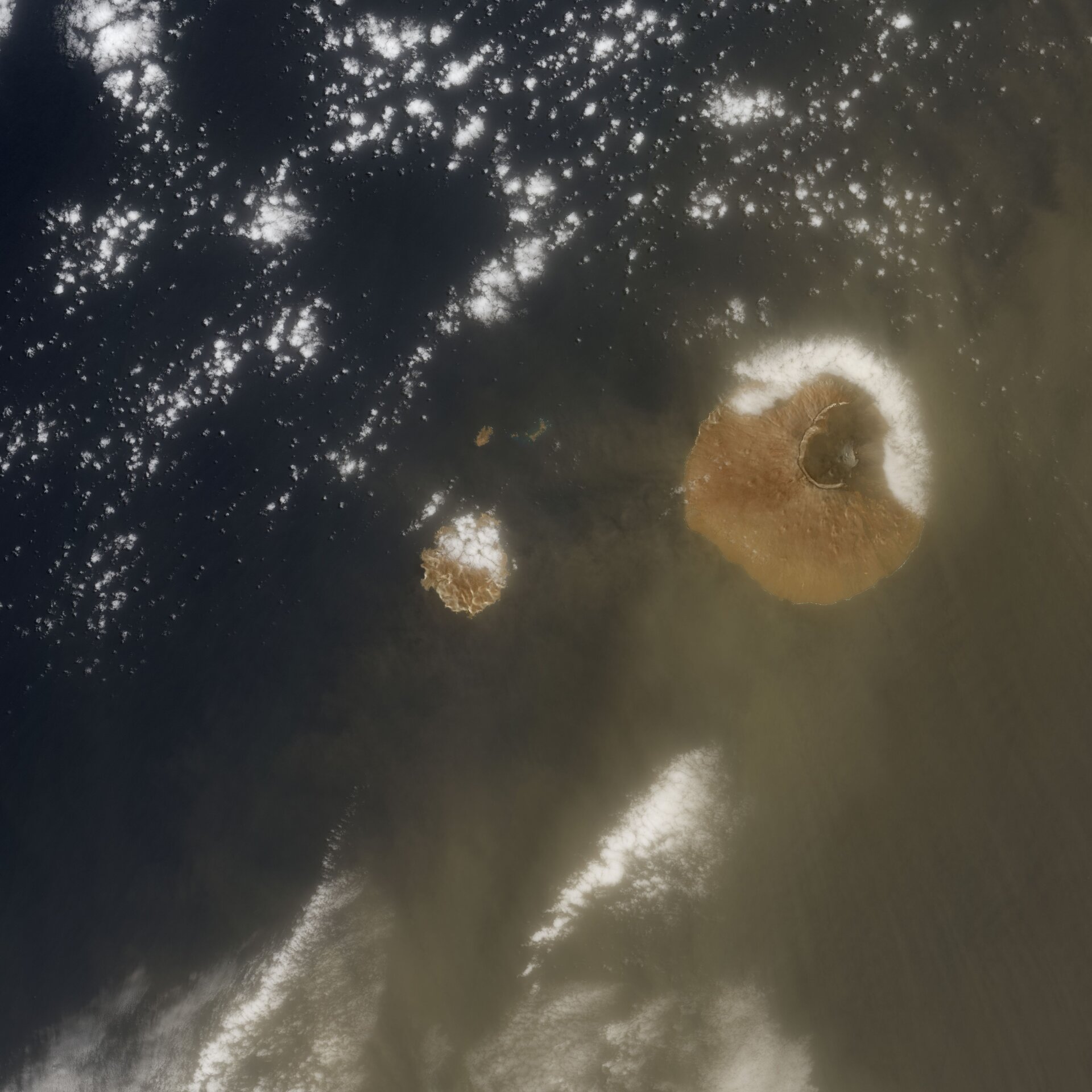
The images below, captured by the Copernicus Sentinel-2 and Sentinel-3 missions, show the dust particles over Cabo Verde, Boa Vista, Cuba and Sao Filipe.
While the dust poses a threat for our health, causing hazy skies and triggering air quality alerts, the travelling Saharan dust plays an important role in our ecosystem.
The dust is a major source of nutrients which are essential for phytoplankton – microscopic marine plants that drift on or near the surface of the ocean.
Some of the minerals from the dust falls into the ocean, triggering blooms of phytoplankton to form on the ocean surface, which in turn provides food on which other marine life depends.
The dust is also essential for life in the Amazon.
It replenishes nutrients in rainforest soils – nutrients that would otherwise be depleted by frequent rainfall in this tropical region.
The dry and dusty air layers have also been shown to suppress the development of hurricanes and storms in the Atlantic.
Tropical storms need warm ocean waters and warm humid air in order to form.
If a storm were to develop, it would collide with the dusty and dry layers of air of the Saharan dust cloud, preventing it from growing further.
There are more than a thousand known species of shark. Mysterious and often misunderstood, the shark family is magically
diverse – from glowing sharks to walking sharks to the whale shark, the
ocean's largest fish. But these magnificent animals very rarely threaten
humans: so why did dolphins get Flipper while sharks got Jaws? Sharks
are increasingly considered, like whales, to play a crucial role in
ocean ecosystems, keeping entire food chains in balance – and have done
so for millions of years. But these apex predators are now in grave
danger. The threats they face include finning ( in which their fins are
sliced off before they are thrown back into the water), warming seas,
and being killed as bycatch in huge fishing operations. To celebrate our emerging understanding of sharks’ true nature and
investigate the many underreported ways in which humans rely on them,
the Guardian is devoting a week to rethinking humanity's relationship
with the shark – because if they are to survive, these predators cannot
be prey for much longer.
Why we need sharks: the true nature of the ocean's 'monstrous villains' There are more than a thousand known species of shark.
Why did dolphins get Flipper while sharks got Jaws?
These majestic, diverse animals bring balance to the ocean ecosystem – and they’re in grave danger
Each day, as the sun sets over the coral-fringed Raja Ampat Islands in Indonesia, an underwater predator stirs.
As predators go, it’s not especially big or ferocious – an arm’s length from head to tail, with a snuffling, moustachioed snout.
Cristina Zenato needs only two words to describe sharks—nature’s masterpiece. A professional diver in the Bahamas, she loves sharks.
Especially the Caribbean reef sharks that flourish around Grand Bahama Island thanks in large part to her efforts to protect them.
The sharks swim right up to the woman known as the Shark Dancer and nuzzle against her while she pets them like they’re dogs or cats.
We take a dive off Grand Bahama Island with Zenato to learn how she built such a strong bond with these beautiful creatures.
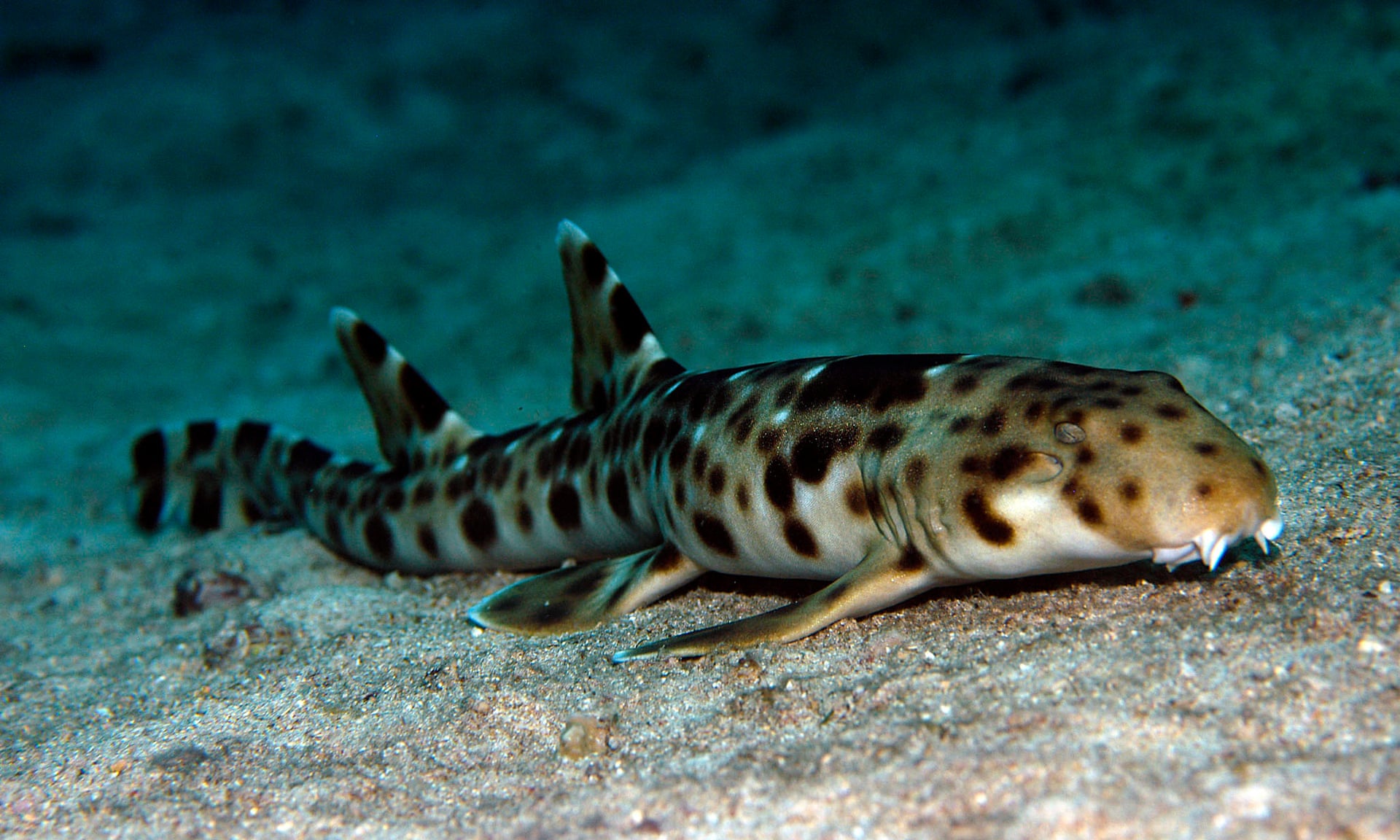
What’s unique is that it doesn’t so much swim along the seabed as walk.
Using its four fins as legs, and twisting its spine like a lizard, it can emerge from the water and hold its breath for an hour, strutting across the exposed reef and clambering between tide pools to find prey.
It’s a walking shark, and far from the stereotypical view of these baleful beasts, it tells an alternative story of how sharks look and live.
Biologists recently confirmed there are nine species of walking sharks.
They are the ocean’s newest sharks – probably only 9m years old as a group, with the two youngest species splitting apart less than 2m years ago – challenging the long-held notion that sharks are ancient and unchanging.
They are not evolutionary survivors from bygone eras, but animals that continue to adapt.
The walking shark, the newest species of shark in the ocean.
Photograph: Gerry Allen/Conservation International
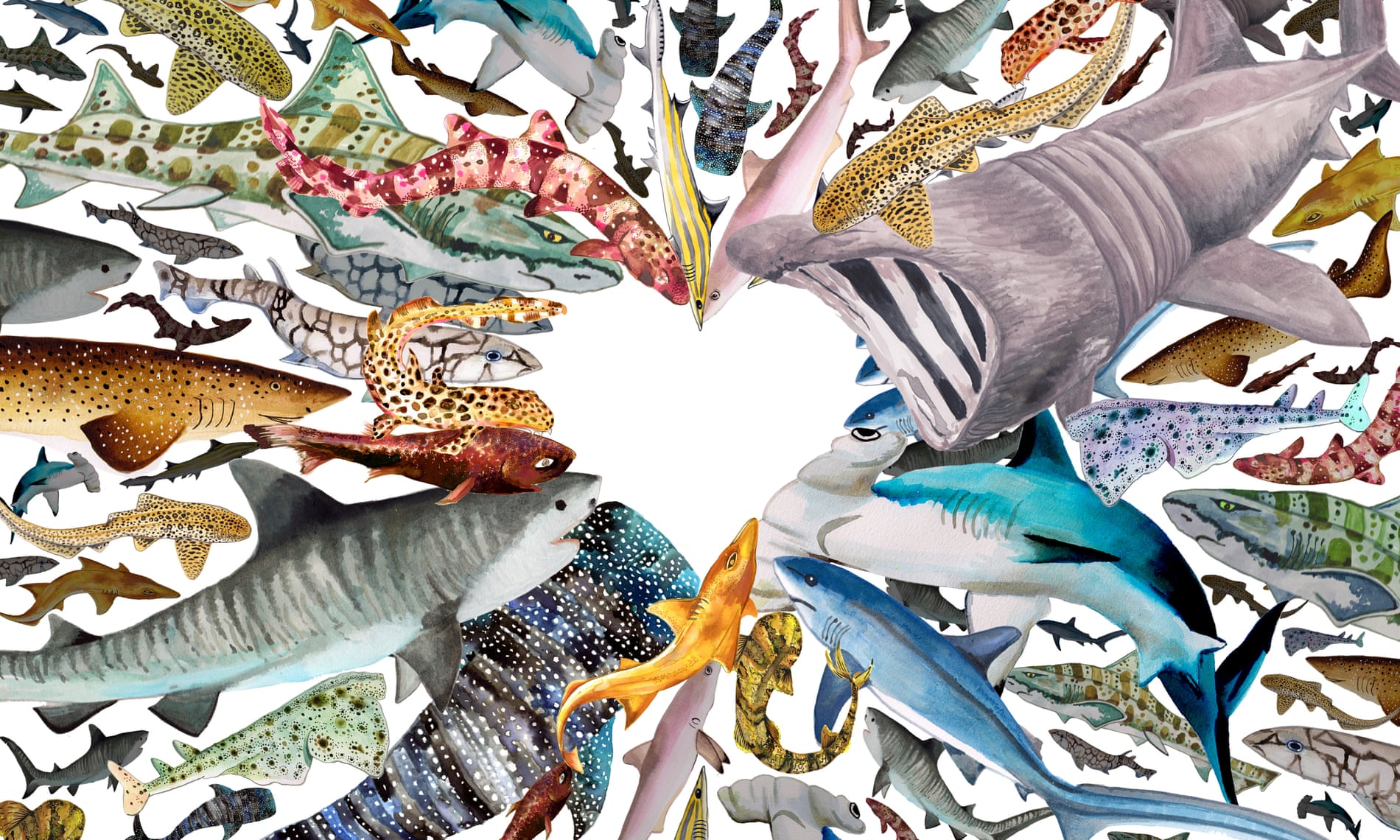
The walking sharks themselves are just a fraction of the immense diversity of sharks.
There are bramble sharks and gollumsharks, night sharks and shy sharks, clouded angelsharks and splendid lanternsharks; there are fat catsharks, mouse catsharks, frog, cow and weasel sharks.
In all, more than 500 elasmobranch species are alive today.
One in 10 shark species are bioluminescent: they light up in the dark.
Another is so small you could tuck it in a pocket, and it has little pockets of its own – filled, for an unknown reason, with glowing goo.
Some sharks puff up to look bigger and scarier than they really are.
Mother sharks can be pregnant for three years at a time, or have virgin births.
There are bramble sharks and gollumsharks, night sharks and shy sharks, clouded angelsharks and splendid lanternsharks
But if all you knew about sharks you learned from Hollywood, you’d think they were aquatic horrors.
Sharks have a film genre all their own: there are movies about ghost sharks and zombie sharks, sharks that squirt acid, killer sharks that swim through sand or snow, and a staggering six instalments of the Sharknado film franchise.
Even more problematic is when the more believable films depict sharks as monstrous villains: in 2016, The Shallows featured a female surfer being brutally attacked by a vengeful great white, leading a group of marine scientists to write an open letter to Columbia Pictures warning that the movie was a dangerous mischaracterisation that could keep the tide of public opinion turned against sharks.
Olympic great Michael Phelps races a 'great white shark' on Sunday as part of .
The shark was in-fact a computer simulation rather than a actual great white but its swim speed was calculated using data collected from the real thing.
Phelps finished the 100m course in 38 seconds, two second slower than the 'shark'
In reality, sharks are overfished in their millions.
They aren’t adapted to being prey, rather than predator: sharks grow slowly, spending ages as teenagers before reaching maturity; they lay few eggs and give birth to few pups, not enough to replenish dwindling populations.
Those that stay alive can spend decades, even centuries, absorbing man-made pollutants and plastics.
Individual sharks have seen their world become hotter and more acidic in their lifetime: Greenland sharks swimming around today were born when the Arctic Ocean was several degrees cooler.
The upshot of all this is bleakly predictable.
At last count, a quarter of all sharks and their flattened cousins, the rays, were found to be threatened with extinction.Q&A
Sharks matter to humanity.
Much is lost when they vanish from the seas.
“There’s a lot we can learn from sharks,” says Jasmin Graham, shark biologist and project coordinator of MarSci-Lace at Mote Marine Laboratory in Florida, where researchers are investigating how sharks quickly heal wounds and how they evolved immunity to many diseases.
“If they’re not here, then that evolutionary history, that information, is lost.” At the 2008 Beijing Olympics, swimmer Michael Phelps won eight gold medals wearing a suit inspired by the tiny, toothlike denticles in sharks’ skin that reduce drag and boost their speed.
(The suits were later banned after studies revealed that they trap air bubbles, helping swimmers float.)
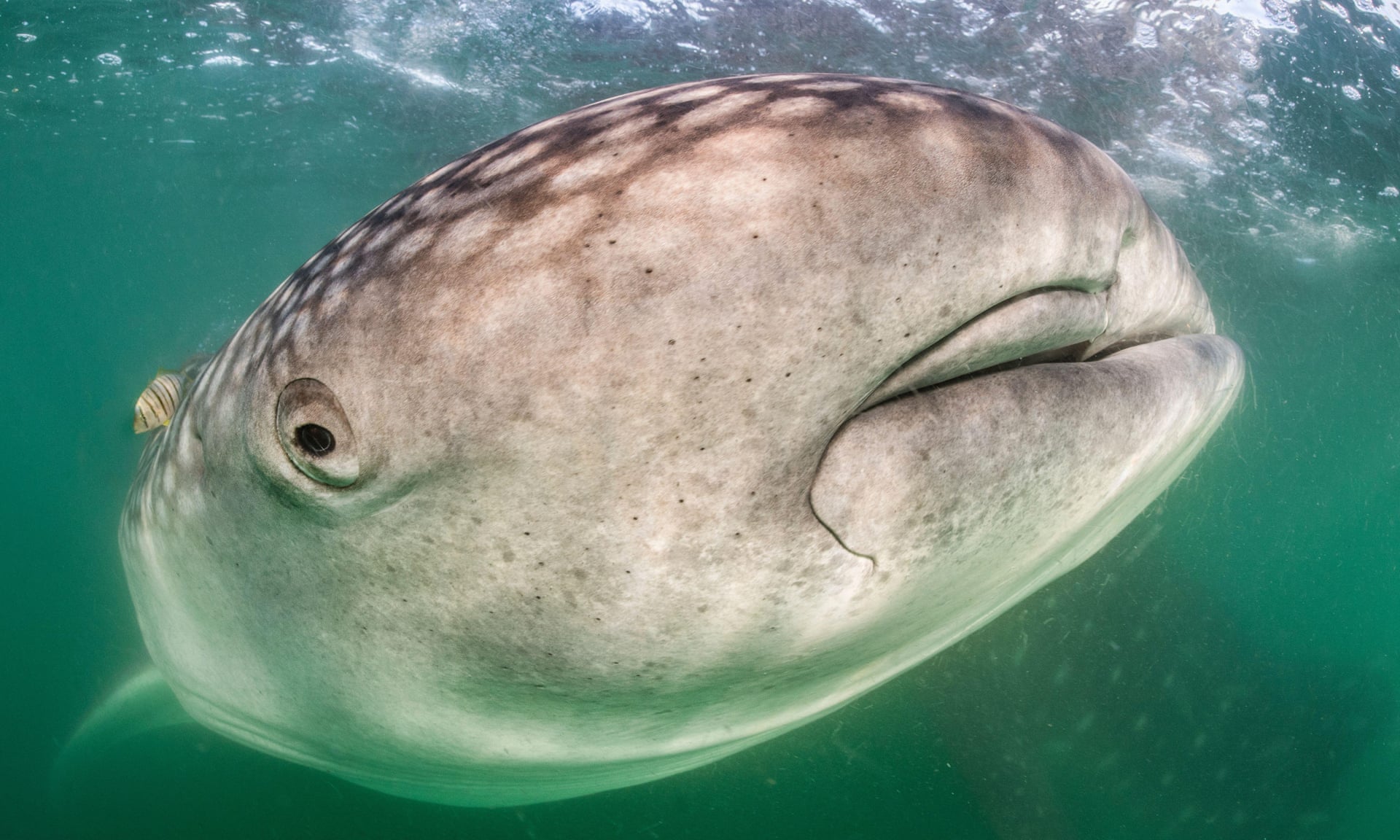
Whale sharks, the largest fish in the sea, scoop up tiny plankton as they travel.
Photograph: Nature Picture Library/Alamy
Sharks matter not just because they can be useful for humans, however, but entire ocean ecosystems.
“Lots of shark species have been shown to be keystone predators,” says Graham.
“They maintain balance in ecosystems and keep things in order, removing weaker, sicker prey and stopping any single species from exploding in numbers and taking over.” One study comparing remote islands in the Central Pacific showed that when sharks are fished out, coral reefs can become dominated by small fish and overrun by algae.
“We don’t understand until we lose the species how important it was,” says Graham.
Sharks maintain balance in ecosystems and keep things in orderJasmin Graham, shark biologist
We need to talk about sharks.
Though no sharks have yet gone the way of the dodo, plenty of species are lined up for imminent extinction.
And the loss of sharks is not just about species blinking out, but a diminishment from their former abundance.
Just like the erasing of native fauna from the continents – of bears and wolves, tigers and lions, koalas and kakapos – so the oceans are now losing their sharks.
The only difference is that their dying out mostly goes unnoticed.
In more than 20 years of diving and researching the oceans I’ve had many encounters with wild sharks, each one a moment to treasure and note in my dive logbook.
I used to feel adventurous when family and friends asked me if I was scared to dive with sharks.
(No, never.) But increasingly, as the question keeps being asked, it unsettles me – that so many people still think this way.
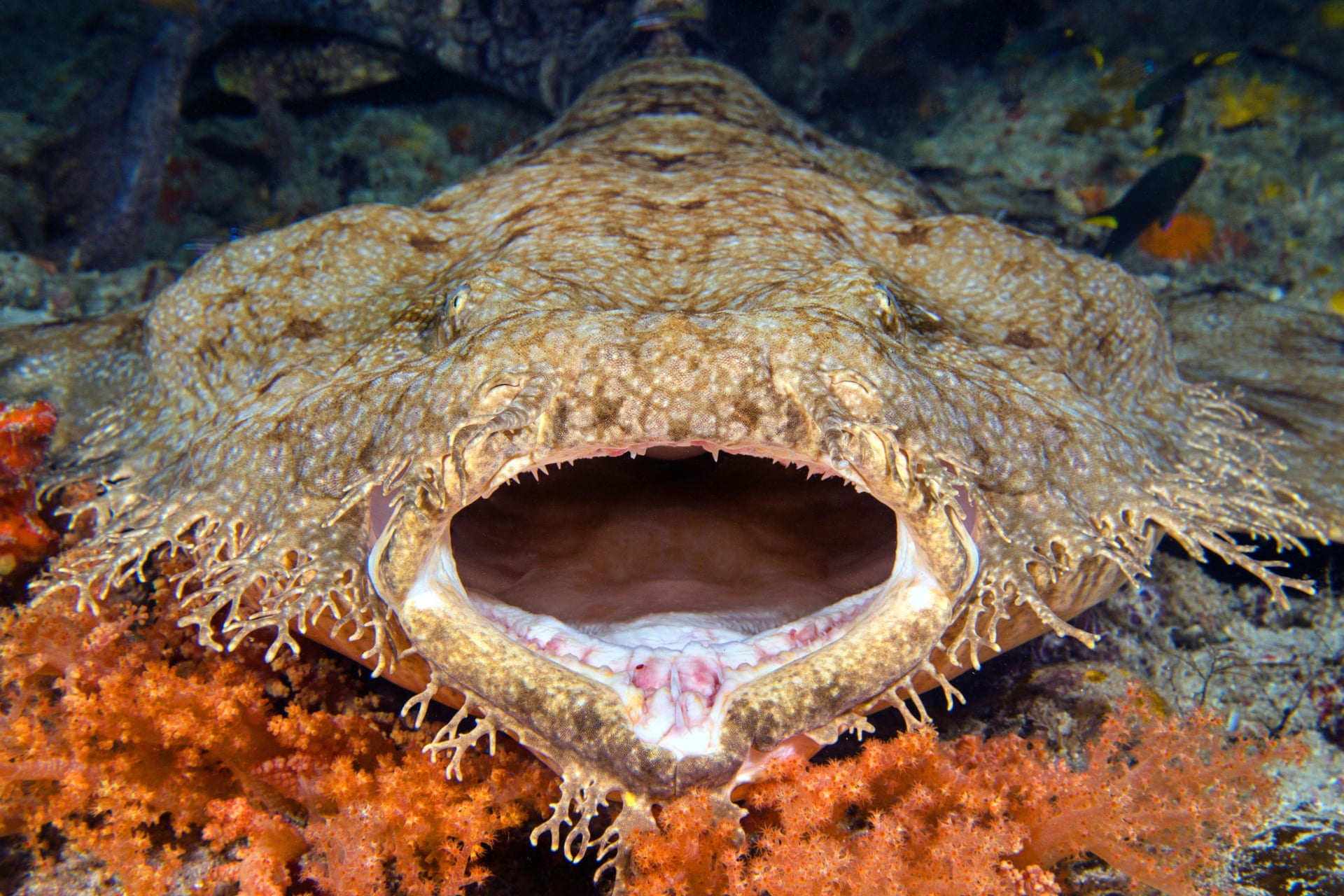
Tasseled wobbegong shark among coral off the coast of West Papua, Indonesia.
Photograph: Nature Picture Library/Alamy
For years, scientists and conservationists have been saying that sharks have more to fear from humans than we have from them.
Pick whichever statistic you like best of things far more likely to kill you: a toppling vending machine, a falling coconut.
Still there’s this lingering idea that sharks are dangerous, vindictive and brutal.
Fear is certainly not being deliberately stoked by the very few people who’ve been attacked by sharks, many of whom, despite losing limbs, have become outspoken advocates for shark conservation.
Marine biologist Ocean Ramsey shares exclusive video (Januay 2019) of her and her team of divers’ encounter off the coast of Hawaii with what could be the largest great white shark on the planet.
“As a kid, I saw Jaws, and I wasn’t particularly scared of it,” says Graham.
“I was just asking why? Why do people think that they’re so scary? How are they different from a dolphin? They’re both predators.
Why did the sharks get a bad rep and dolphins got to have Flipper?”
These majestic animals are doing much worse worldwide than they were back in 1975 when Jaws was released.
They need all the positive publicity they can get.
New stories need to be told about sharks – the big ones and small ones, the ones that walk and glow, and all the other things they can be.
With the improved accuracy and integrity of un-augmented GPS over the last several years, and with the introduction of the U.S.
operated satellite-based augmentation system known as Wide Area Augmentation System (WAAS), the maritime community no longer has a mission requirement for DGPS.
GPS now provides sufficient positional accuracy to meet international navigation requirements for harbor approaches and to position Federal Aids to Navigation (ATON).
The Global Positioning System is a U.S. government owned utility that is now ubiquitous, and provides users with free, highly accurate positioning, navigation, and timing (PNT) services.
GPS technology can be found in cell phones and watches, shipping containers, and ATMs.
It is essential for all forms of navigation, farming, surveying and construction, banking and the financial markets, and the power grid.
In its earlier iterations the information GPS provided was not accurate enough for some applications, including the Coast Guard's positioning of marine aids to navigation.
To solve this problem, in the late 1980's and early 1990's, the Coast Guard established the Maritime Differential GPS System to augment the existing GPS signal with accuracy corrections and integrity monitoring by broadcasting over Medium Frequency from terrestrial broadcast sites.
The correction brought GPS position accuracy from several meters to less than one meter.
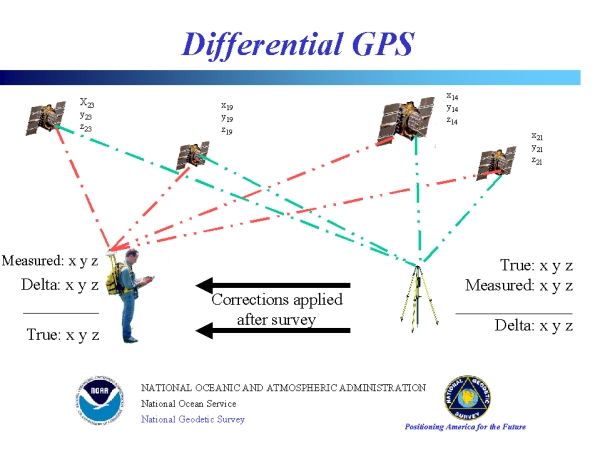
"The process includes the installation of navigation at a precise known location, which receives the GPS signal and compares the position solution from received signal to its known location.
This result of this comparison is then generated in the form of a correction message and sent to local users via a radiobeacon broadcast.
The received correction is applied by the user's GPS equipment to reduce the system position error, thereby improving the user's absolute accuracy.
This effort was coordinated through the Special Committee (SC) 104 created by the Radio Technical Commission for Maritime Services (RTCM)," wrote Gene W. Hall Lt. Cmdr., USCG Differential GPS Navigation Service, in 1996.
The solution caught on, and the use and availability of DGPS expanded beyond Coast Guard missions.
In its heyday, DGPS operated by the Coast Guard, Department of Transportation (DOT), and the Army Corps of Engineers (USACE), broadcast corrections from 85 sites that covered the nation from coast to coast, out to 50 nautical miles offshore.
Coverage also included the Great Lakes, Hawaii, Alaska, Puerto Rico and the U.S. Virgin Islands.
DOT and USACE have already discontinued the inland DGPS component.
The Coast Guard has operated the remaining Nationwide DGPS service, consisting of one control center and 38 remote broadcast sites, through its Navigation Center in Alexandria, Va.
The phased shutdown of those 38 sites began in 2015 and concluded on June 30, 2020 by turning off the signal from the final four sites located in the Great Lakes and the St. Lawrence Seaway.